
Vitamin B12: Why It Matters for Energy, Brain Health, and Methylation
At Ultimate Functional Medicine, we believe healing isn’t about chasing symptoms—it’s about creating deep, lasting transformation. These are the three pillars that guide everything we do.
Vitamin B12: Why It Matters for Energy, Brain Health, and Methylation
Vitamin B12 is one of the most important—and commonly overlooked—nutrients when it comes to energy, brain function, and overall metabolic health. If you’re dealing with fatigue, brain fog, mood changes, or unexplained anemia, your B12 levels could be a key piece of the puzzle.
In functional medicine, we don’t just look at whether B12 is “in range”—we evaluate how well your body is actually using it and what might be interfering with proper absorption.
🧬 What is Vitamin B12?
Vitamin B12 (also known as cobalamin) is a water-soluble vitamin that plays a critical role in:
Neurological function
DNA synthesis
Red blood cell formation
Methylation (cellular detox and repair processes)
B12 is essential for producing healthy nerve cells and maintaining the protective myelin sheath around your nerves. This makes it vital for cognitive function, memory, and overall nervous system health.
🔄 B12 and Methylation: Why It’s So Important
Vitamin B12 works closely with folate in a process called methylation—a foundational biochemical pathway in the body.
Methylation helps regulate:
Gene expression
Neurotransmitter production (serotonin, dopamine)
Detoxification pathways
Hormone metabolism
Cellular repair
One of its key roles is helping convert homocysteine into methionine, which then produces SAMe—a powerful compound involved in mood balance, detoxification, and brain health.
When B12 is low, this entire system can slow down, leading to widespread symptoms.
Absolutely—here is the completed, fully polished blog post continuing from where we left off:
⚠️ Why B12 Deficiency Is So Common
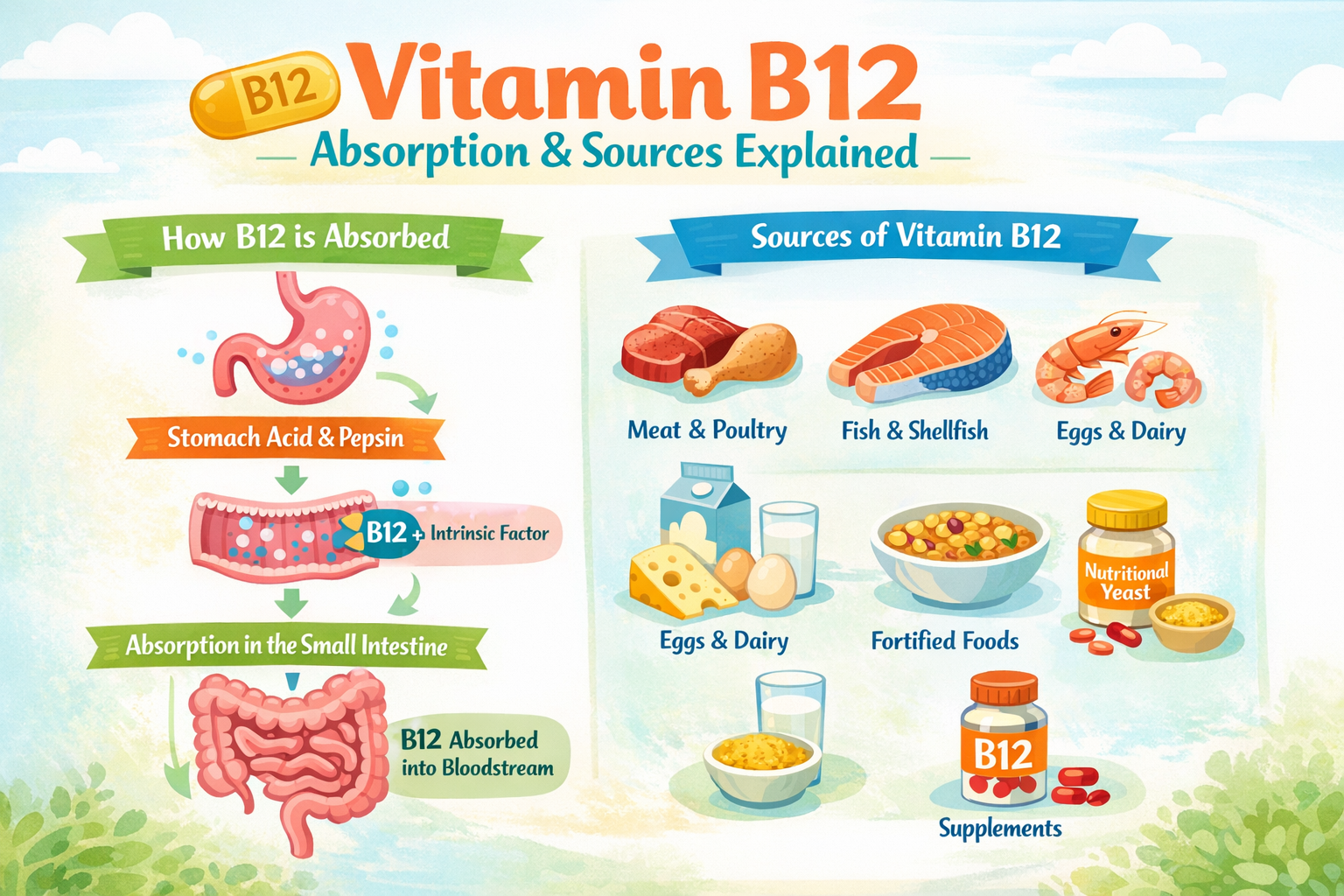
Unlike many nutrients, B12 requires multiple steps for proper absorption:
Stomach acid releases B12 from food
B12 binds to intrinsic factor in the stomach
It is absorbed in the small intestine (ileum)
If any part of this process is disrupted, deficiency can develop—even if your diet is adequate.
Common causes of poor B12 absorption include:
Low stomach acid (common with aging or stress)
Pernicious anemia (autoimmune condition affecting intrinsic factor)
Gut issues such as IBS, SIBO, or inflammation
History of bariatric surgery
Long-term use of medications like:
Proton pump inhibitors (PPIs)
Metformin
Vegan or vegetarian diets (B12 is found primarily in animal products)
🧪 Why Test for Vitamin B12?
Testing your B12 levels can provide valuable insight into your energy, brain function, and overall metabolic health.
You may benefit from testing if you experience:
Persistent fatigue or low energy
Brain fog, memory issues, or difficulty concentrating
Tingling, numbness, or nerve discomfort
Mood changes such as depression or irritability
Shortness of breath or reduced exercise tolerance
Digestive issues or known gut dysfunction
History of restrictive diets or malabsorption
In functional medicine, B12 testing is often part of a bigger picture assessment, especially when evaluating chronic symptoms.
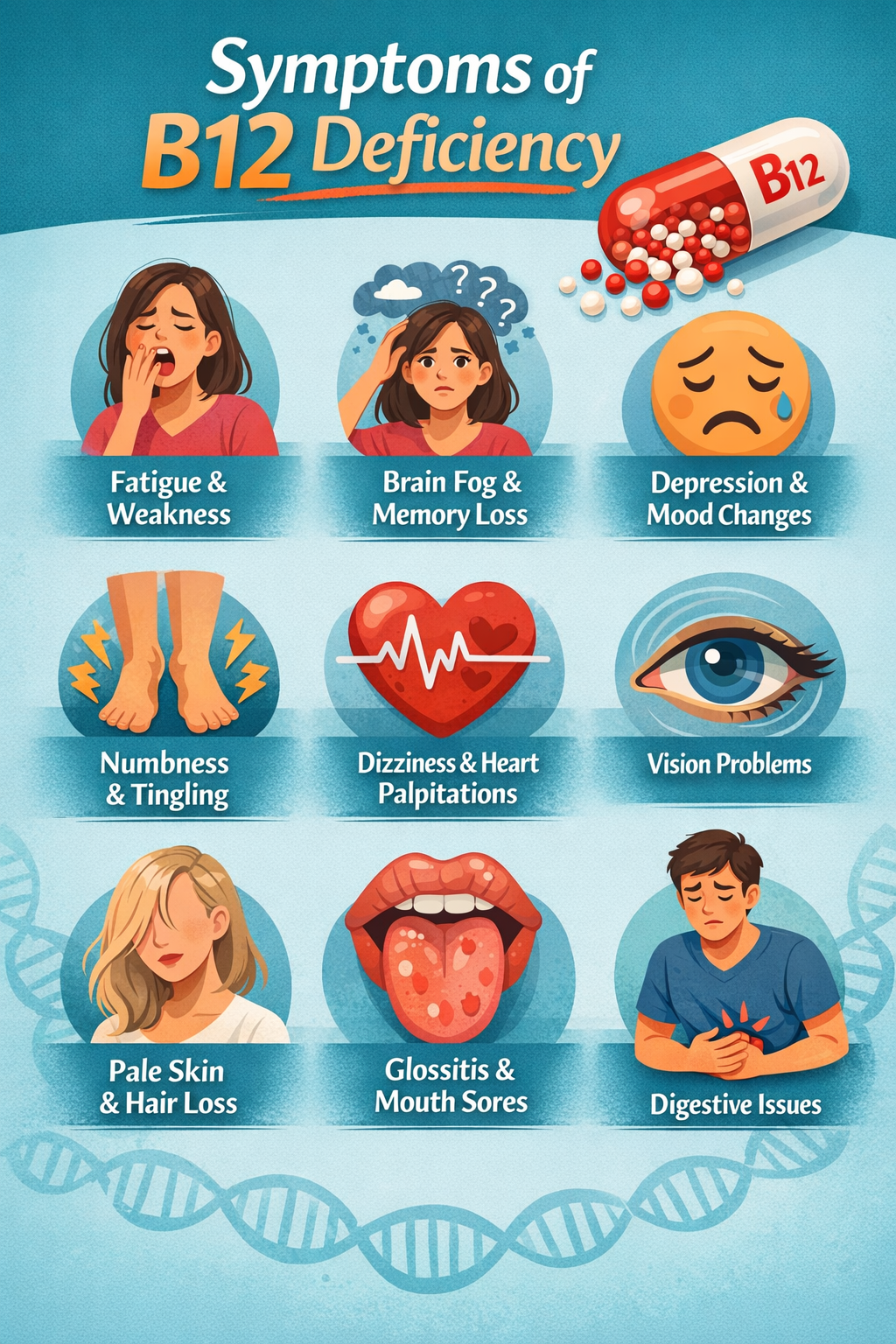
📊 Understanding Your Vitamin B12 Levels
🔺 High Vitamin B12 Levels
Elevated B12 (typically above ~900–1000 pg/mL) can occur with supplementation—but if levels are high without supplementation, it may indicate something deeper.
Possible reasons include:
Liver dysfunction
Impaired cellular uptake
Inflammation
Certain blood or immune-related conditions
In some cases, high B12 in the blood doesn’t mean your body is using it effectively—it may actually reflect a functional deficiency at the cellular level.
🔻 Low Vitamin B12 Levels
Levels below ~300 pg/mL may indicate deficiency—even if they fall within standard lab “normal” ranges.
Low B12 can lead to:
Fatigue and weakness
Brain fog and memory decline
Nerve symptoms (tingling, numbness)
Mood disturbances
Macrocytic anemia
Over time, deficiency can impact the nervous system and lead to long-term neurological damage if not addressed.
🔍 Functional Medicine Insight: Look Beyond the Number
One of the biggest mistakes in conventional care is relying on B12 alone as a standalone marker.
In functional medicine, we dig deeper.
Additional markers often evaluated include:
Methylmalonic Acid (MMA) – rises when B12 is deficient at the cellular level
Homocysteine – elevated levels may indicate impaired methylation
Folate levels – closely tied to B12 function
This provides a more complete picture of how well your body is actually using B12—not just how much is in your blood.
🎯 Optimal Vitamin B12 Ranges
While lab ranges vary, optimal functional ranges are typically:
Serum B12: ~500–900 pg/mL
Aim for at least >400–500 pg/mL to reduce risk of subtle deficiency symptoms
⚠️ Important notes:
“Normal” does not always mean optimal
Symptoms can occur even within standard lab ranges
Persistently high B12 without supplementation should always be investigated
🧬 Root Causes of B12 Imbalance
Instead of just supplementing, functional medicine focuses on why levels are off in the first place.
Common root causes include:
Poor stomach acid production
Gut inflammation or dysbiosis
Autoimmune conditions
Nutrient deficiencies (iron, folate)
Chronic stress
Medication effects
Addressing these upstream factors is key to achieving long-term balance, not just temporary improvement.
🥩 Best Food Sources of Vitamin B12
Vitamin B12 is primarily found in animal-based foods, including:
Grass-fed beef
Liver (one of the richest sources)
Wild-caught fish (salmon, sardines)
Eggs
Dairy products
If you follow a vegetarian or vegan diet, supplementation is often necessary.
💊 When to Consider Supplementation
Supplementation may be helpful if you:
Have low or borderline levels
Experience symptoms of deficiency
Have absorption issues
Follow a plant-based diet
Forms of B12 include:
Methylcobalamin – active form, supports methylation
Hydroxocobalamin – longer-acting form
Cyanocobalamin – synthetic form (less preferred in functional medicine)
Your provider can help determine the best type and dosage for your needs.
🛡️ Final Thoughts
Vitamin B12 plays a foundational role in energy production, brain health, and cellular function. Yet deficiency is incredibly common—especially in individuals with gut issues, chronic stress, or long-term medication use.
If you’re experiencing unexplained fatigue, cognitive changes, or nerve symptoms, it may be time to look deeper.
Remember—true health isn’t about chasing lab numbers. It’s about understanding how your body is functioning at a deeper level.
Join a New Model of Medicine
We created Ultimate Functional Medicine because we believe you deserve more than symptom suppression.
You deserve answers.
You deserve clarity.
You deserve a care team that treats you like a whole person—not just a case file.
If you’re tired of feeling dismissed or stuck...
If you’re ready to get to the root of what’s going on...
If you want a personalized, empowering path to healing...
Then we invite you to step into this new model of medicine with us.
This isn’t alternative. It’s advanced.
It’s not fringe—it’s foundational.
And it just might be the approach you’ve been looking for all along.
📞 Ready to get started?
Book your Root Cause Discovery Call and let’s explore how these three pillars can support your healing journey.
